
Breaker 1-9

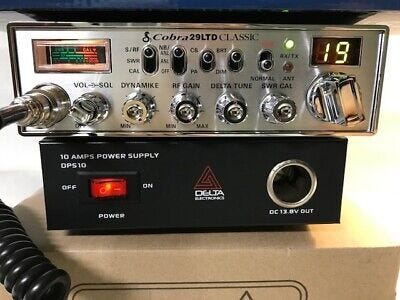
Breaker breaker for a radio check. Does this still work? Anybody still here? I realize I've been more than a little bit radio silent lately, so here's a bit of an update.
I switched jobs back about the end of September, going from pulling over-the-road dry van, (the big 53’ box trailers you see everywhere,) to local heavy haul dairy tank. It's been a good move financially, as I'm making more, and for the family, since I'm home every night (long enough to sleep, eat, and say hi, at least,) instead of just one or two days a week. With four small children, that's been huge.
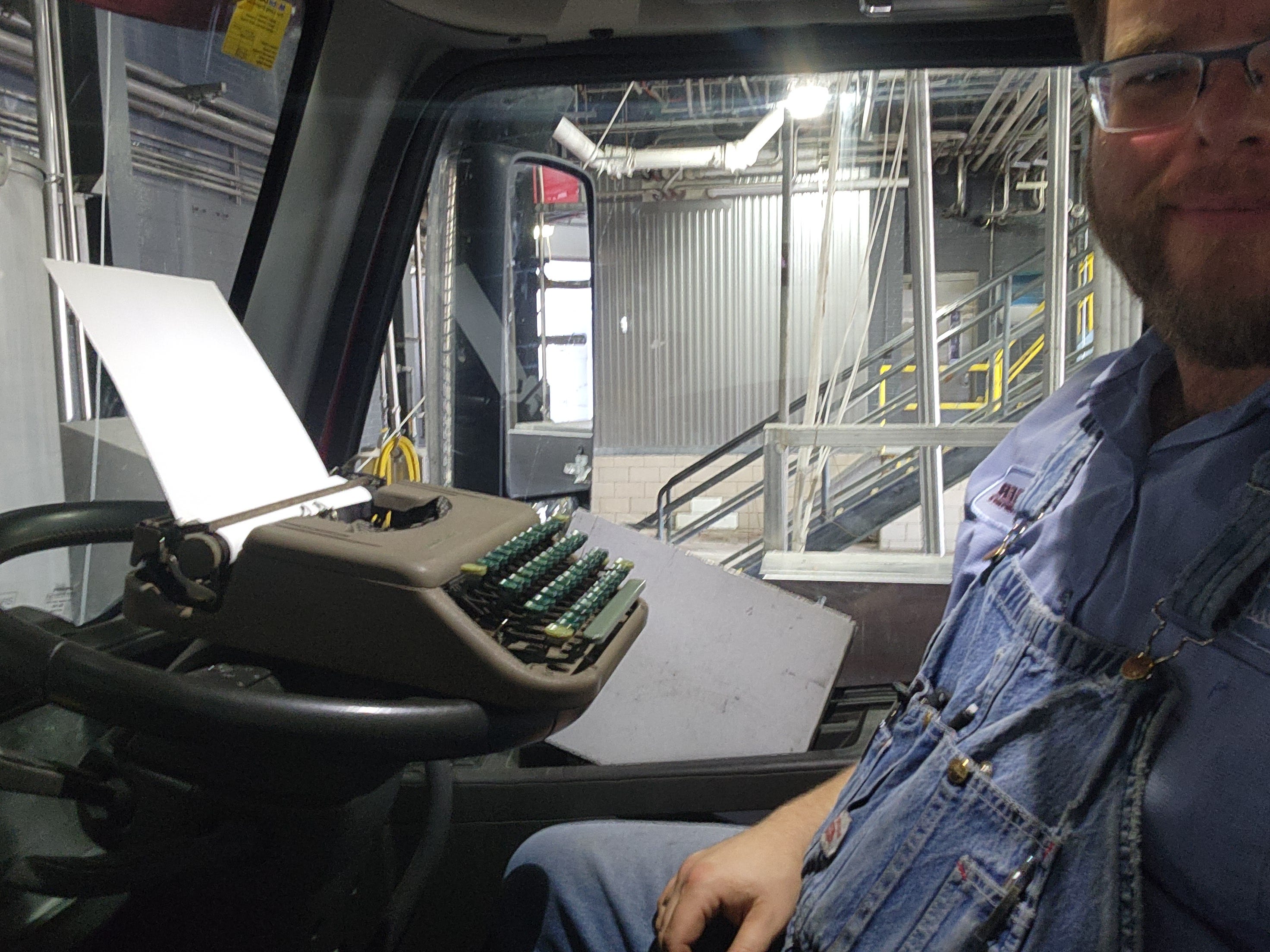
In all the chaos of the changeover, though, my writing, both here on Substack and fiction for publication got pretty well back burnered. I'm trying to work back into it, but it's been slow going.
Here's a look at some of what's been going on.
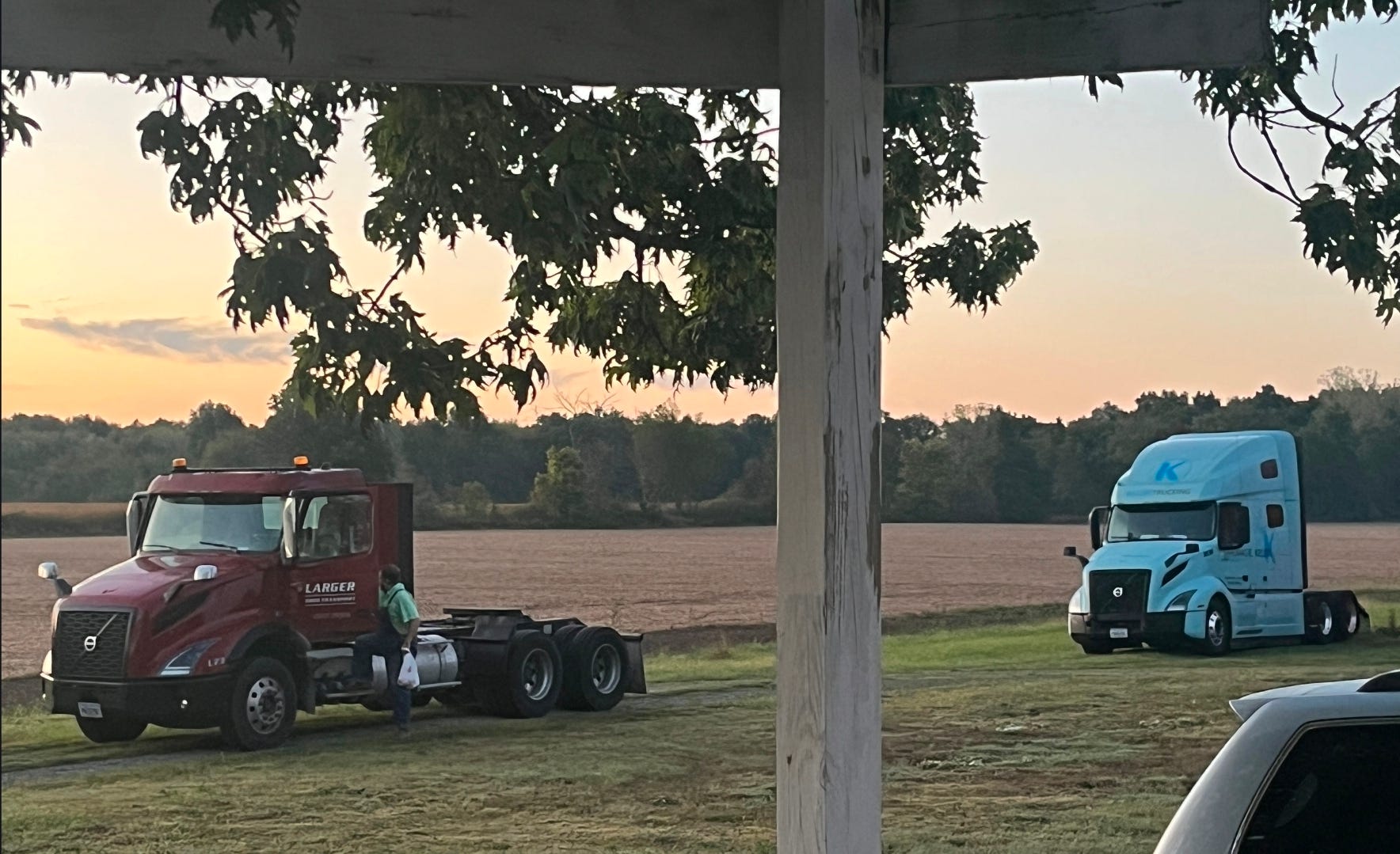
The tanker job came up fairly suddenly, so I took what vacation I had from the last place to start. For a while I had both trucks, but pretty soon decided that things would have to get a whole lot worse than they were in training to want to go back to OTR life. I took their truck back and handed in the keys.
With tanker, because milk runs pretty regular routes, these guys pay a bit extra and buy permits to haul over (waaay over in some cases,) the legal limit of 80,000 lbs.
The permits are interesting, they spell out exactly the route we have to follow, right down to “the permittee may exit the designated route at any point for food, fuel, or services, provided he does not travel more than 5,280 feet from the permitted route, or cross any structures [read: bridges] not listed on the permit.”
So… need to stop for fuel? Have to make a left across the overpass to get to the station? Sorry, you can't do that. “The permittee is advised to familiarize himself with the route…”
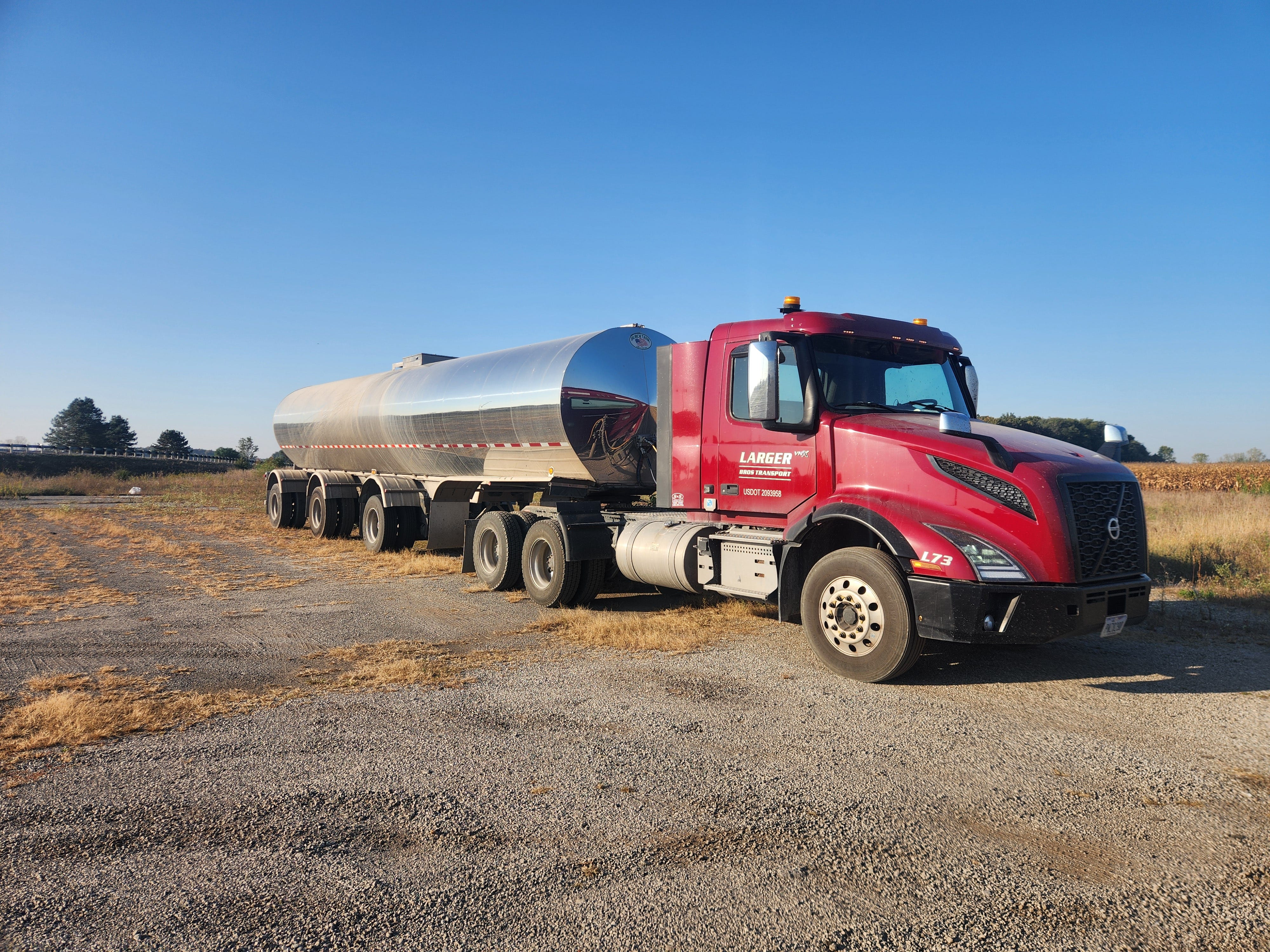
The rig I started with for training is called a tri-axle, three single axles spaced widely apart. This allows for 10,000 gallons of milk, or about 82,000 lbs. Permit weight for truck, trailer and all is 120,000. (Remember, legal weight is only 80,000 lbs all in.)
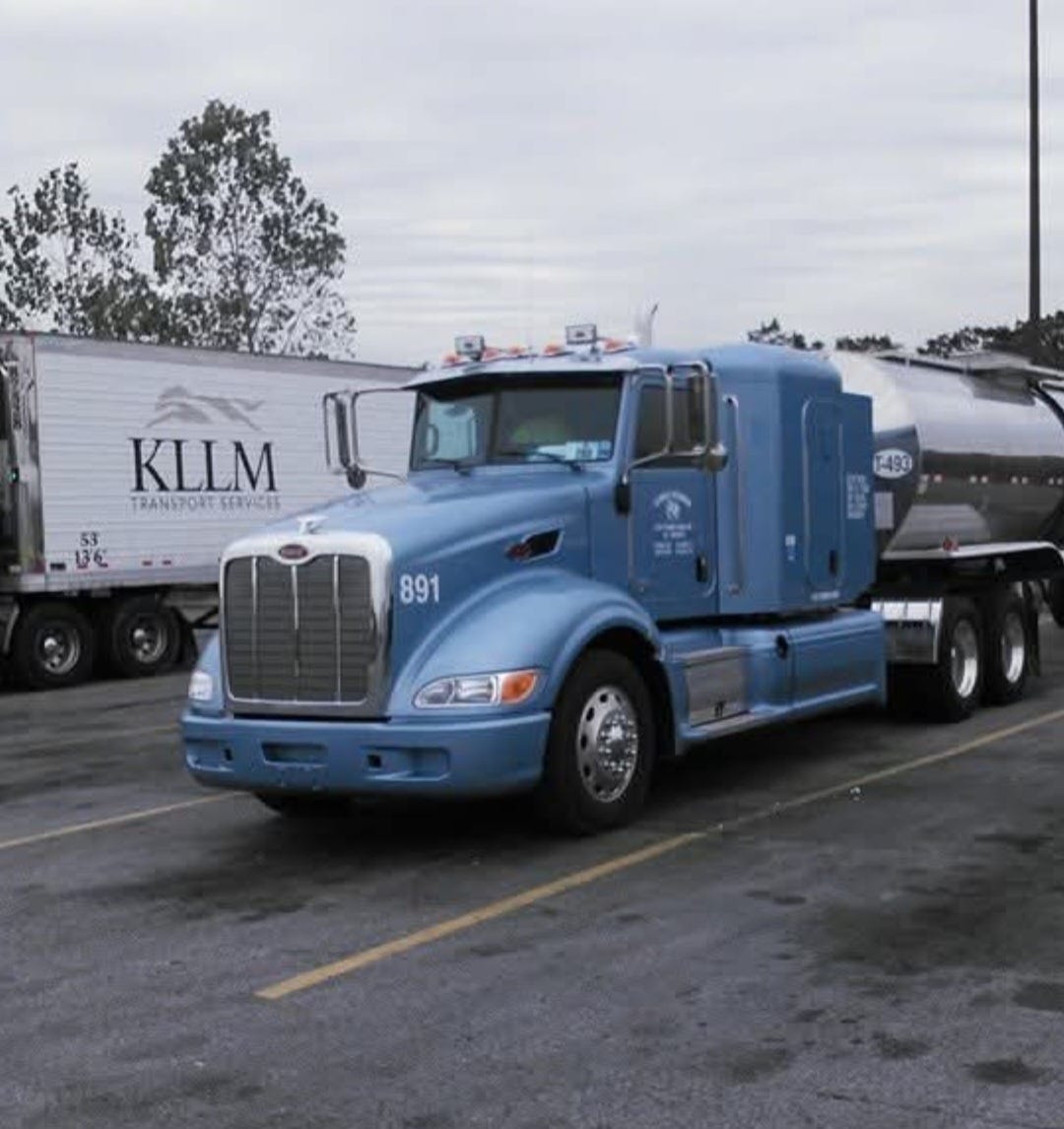
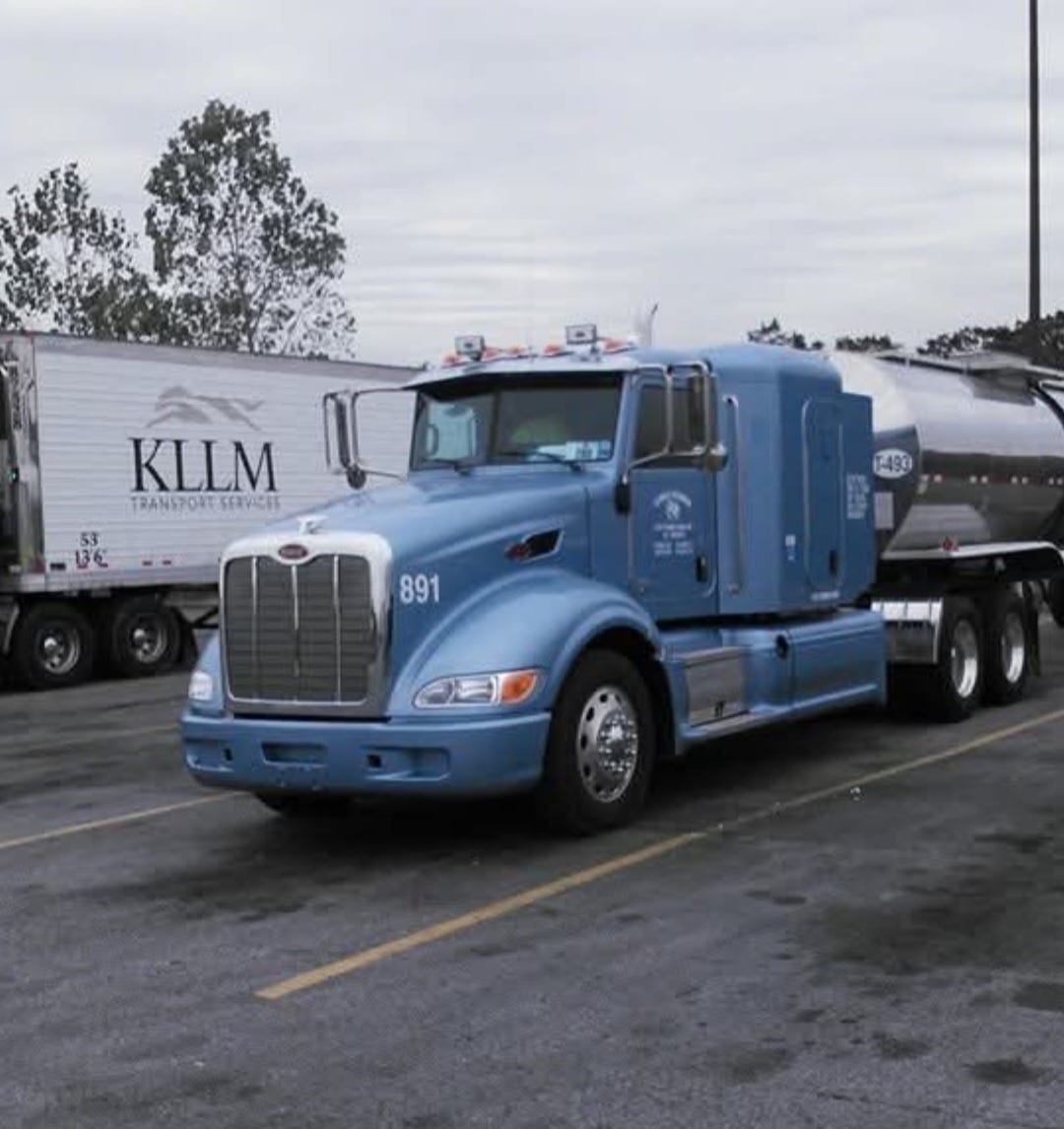
I had pulled tanker years ago, so I thought the learning curve would be short. Turns out, like shooting, tanker yanking is a perishable skill. Ten years is apparently too long.
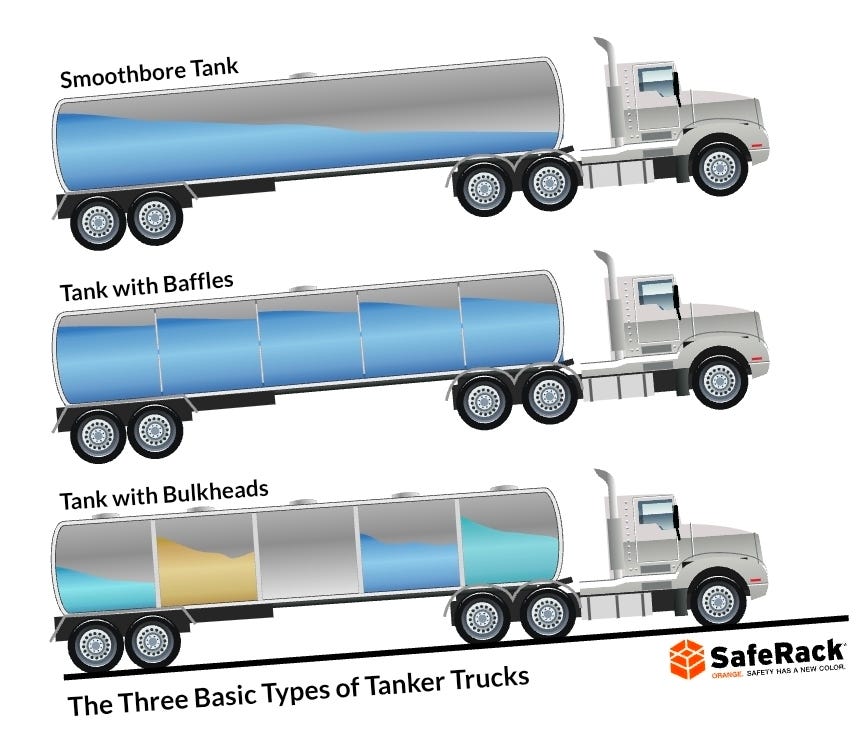
Quick note about food grade tank operations in general: because we have to get a thorough washout between loads, we can't use baffles inside the tank. Everything is smoothbore. Which means SLOSH. Picture driving to the church supper. Granny is in the backseat wearing her Easter best, and holding two open pitchers, one of lemonade one of sweet tea in her lap. Your job is to get her there without spilling a drop. (In tanking, the spill looks more like a flipped truck.) I had to remember how to do that.
Also had to train myself to run the dump valve. If you look at that tri- axle, you might guess that cornering is a challenge with axles all spread out like that. You'd be right. It will turn, but just barely, while grinding the rubber off the tires and threatening to rip the tires off the rims. To make that work a little better, the front axle can lift. We hit a little electric switch in the cab, and the air dumps from the main bags. At the same time a smaller set on pivoting L-arms inflate, which picks up the axle, (in 15 or 20 seconds.)
Remembering to do that every time you turn sounds easy, but is not. I finally programmed my brain to link the dump switch to the turn signals. Turn on turn signal turn on dump. Cancel signal, cancel switch. (Mostly.)
Just about the time I was starting to feel confident with the tri-axle, they moved me up to a super tanker.
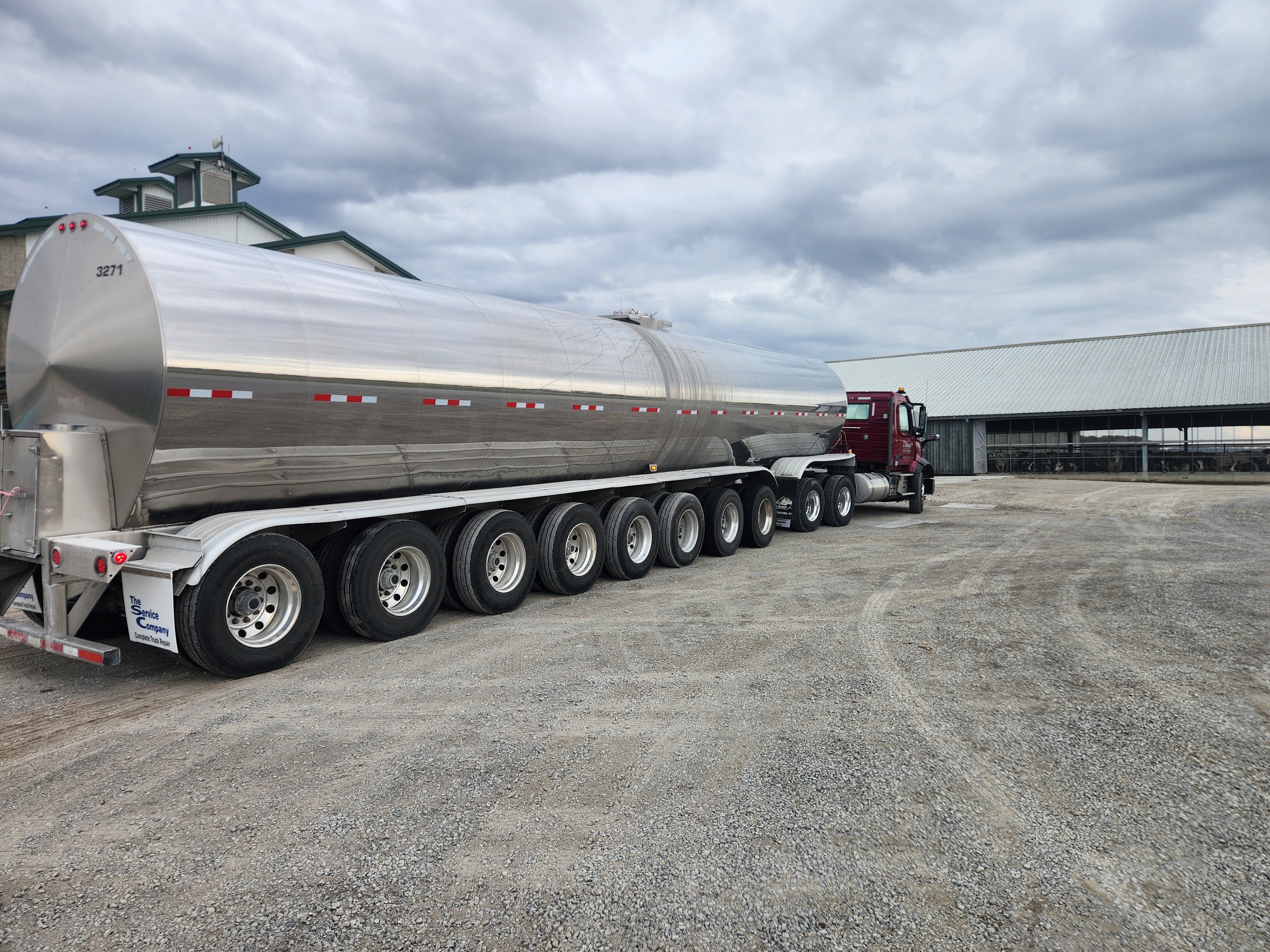
The first one was an eight axle rig. Permitted for 160,000 lbs, (remember that's double the legal limit,) it carried 103,000 lbs just of milk. With all those tires (42!) to carry the load, and all those brakes to stop it, the eight actually handled pretty well, if you could cope with the nearly 3- minute 0-60 time. (Oh, and that dump valve? Turns out it's kinda critical. Where the tri will turn without it, but under protest, the eight flat will not. The first day I pulled one, I was experimenting a bit to find out what I could get away with, and it flat stalled the truck going around a roundabout. I had to sit there with my flashers on, grin and wave at people like an idiot while I restarted the truck and waited for all those wheels to pick up.)
But, all those tires and brakes are expensive. They're heavy. So someone decided that a 5-axle was a better idea.
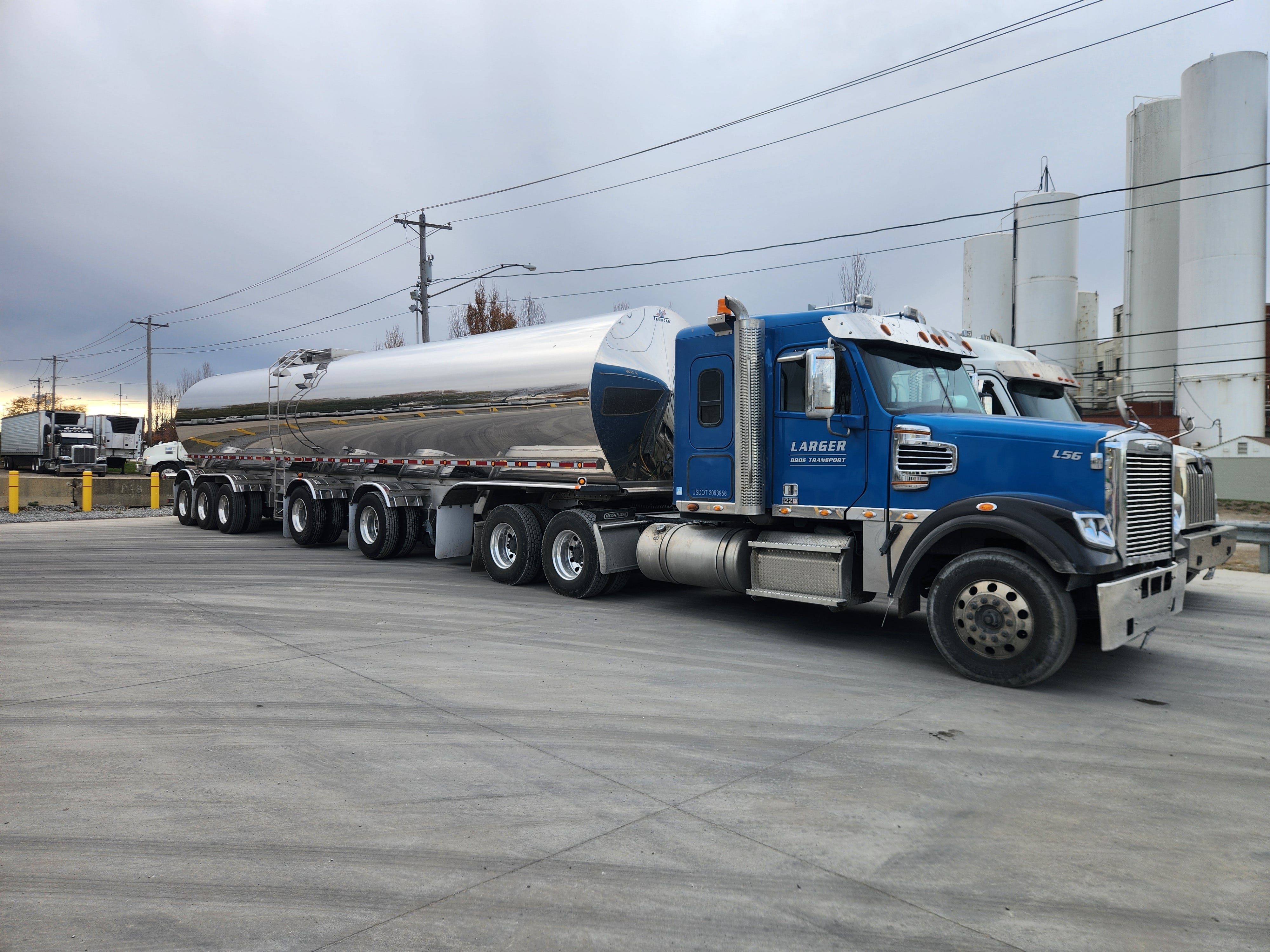
Because a “spread" (axles more than 10’2” apart) is regulated differently from two axles side by side, they were able to build a monster. With three in a row (called a “tridem,”) in back, and two spread up front, this critter grosses 157,000 lbs, slightly less than the 8, but it's so much lighter that it carries 118,000 lbs of milk.
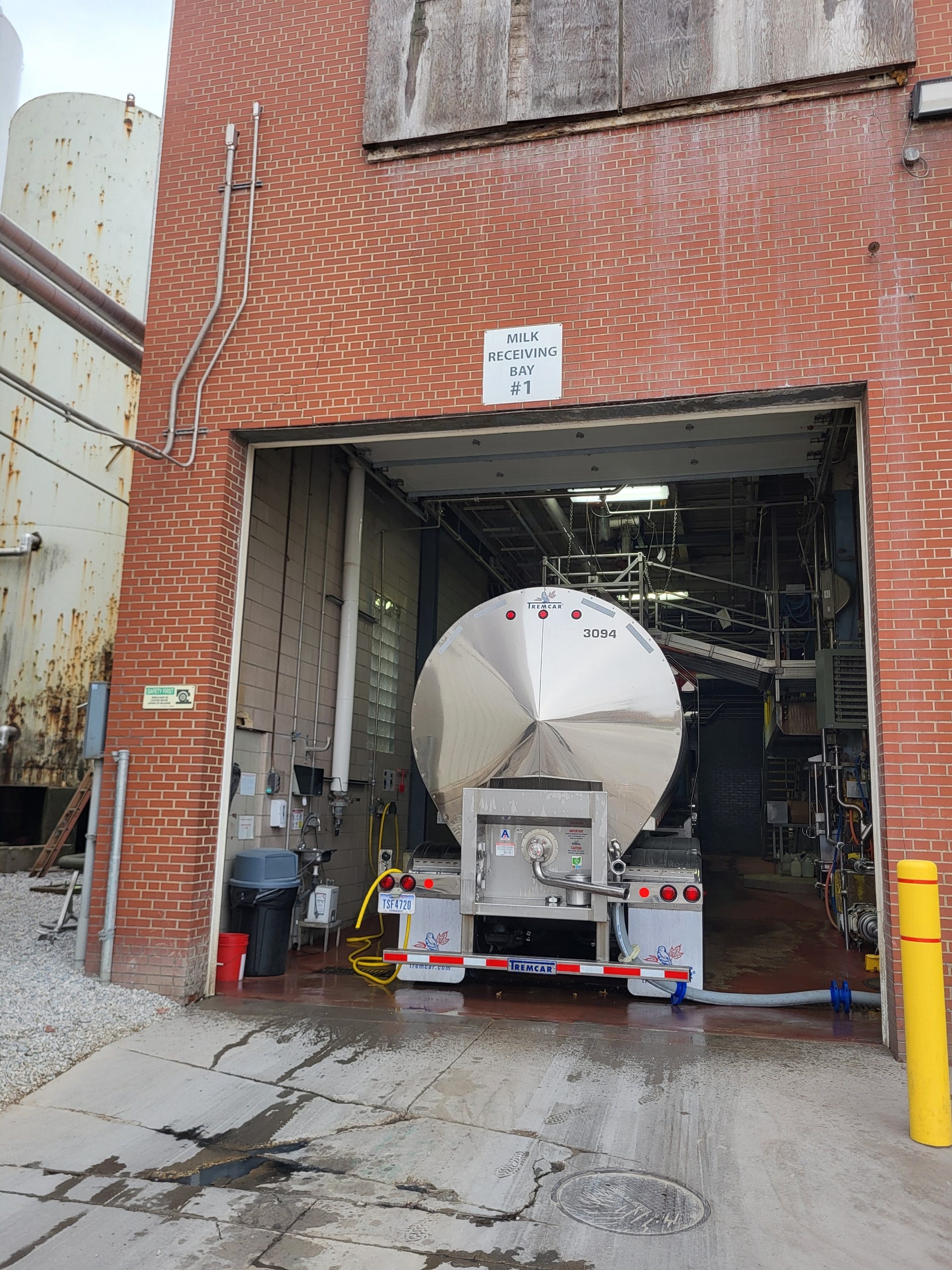
All that, along with the milk handling procedures, and a bunch of kerfuffle over which farm was a better fit, given where I live, has made the past few months interesting, to say the least.
I'm trying to work back into working, but it's been a challenge. Here's hoping that will improve as things level out.
In more substack oriented news, I've got two projects in the works. A S&W Model 432 Ultimate Carry has recently joined the (extended) family, so I hope to get a good session with it, as well as a comparison between the .32 and .38 snub nose form factors soon.
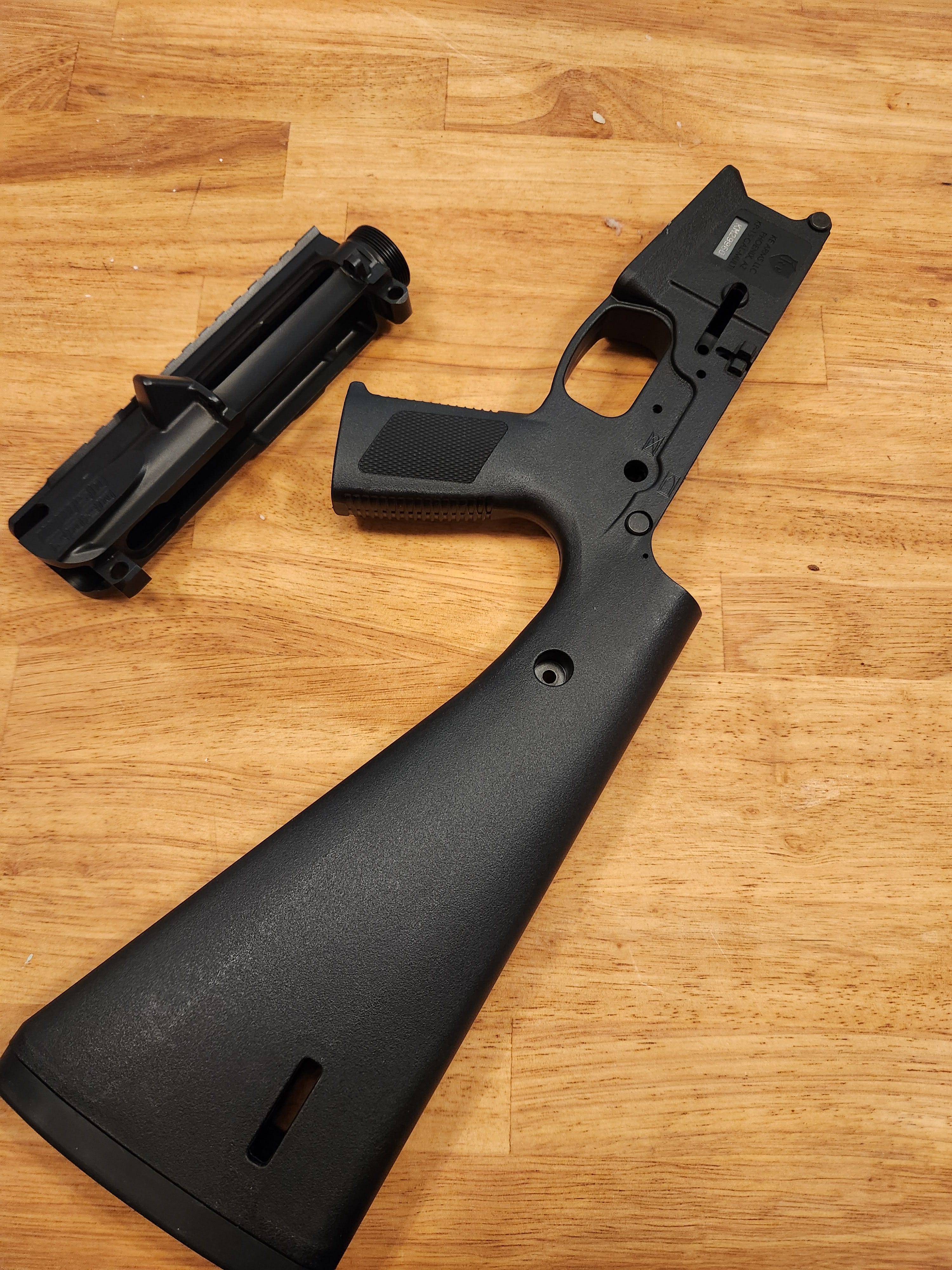
I'm also working (slowly) on building my first AR-15, so that may feature here soon, along with comparisons between several other ARs in the extended family.
All in all, things are happening. Stay tuned for more.
Fascinating, Jesse. I never realized the challenge you had with multiple-axes trailers. Love getting insight into trucking.
And I'm looking forward to reading your upcoming firearms reports. 🫡
Being a layman, don't really understand the dump valve system you describe. Time for an AI lesson. I think if I drove a tanker full of milk, I'd be tempted to sample the load.